This sermon resource and fact check page covers a variety of topics addressed in the sermon, The Ballot on the Table, first preached at The Sanctuary in Denver on October 25, 2026. I’ve intentionally tried to curate resources from both the political Right and Left that center human dignity.
Christ & Empire
This framework sits at the heart of the sermon and the interpretation of Mark 12:13-17. The key idea is that Jesus offers one way of being in the world (love poured out for) and “this age”/Caesar offers another (power over). For me, this has replaced Luther’s Two Kingdoms teaching that I was raised with and taught while working on my Master of Divinity. Ultimately, I think it is a more historically honest interpretation because it recognizes who Caesar was in relationship to the Early Church and takes John’s Revelation depiction of Rome seriously.
Some other resources that have used this framework:
- Exiles in Babylon: A Christian Political Identity by Preston Sprinkle – a YouTube video
- The Last Week: What the Gospels Really Teach About Jesus’s Final Days in Jerusalem by Marcus Borg and John Dominic Crossan – a book
- Christ and Empire with Joerg Rieger – a podcast
And to demonstrate some continuity, here are other sermons I’ve preached and pieces I’ve written that centered a Christ and Empire theme:
- The Greatest Story Never Told – a Palm Sunday sermon
- What Now? (Our Life in Exile) – a sermon
- When Roman’s 13 Becomes Anti-Christ – a long form article / video
Immigration
I bring up immigration in the sermon to highlight that you can have a variety of approaches to human migration while still honoring the dignity of all people. Here are a few links to related materials:
- While it’s not as simple as, “Get in line.”: Why Don’t Immigrants Apply for Citizenship?
- An interview with someone who advised both George W. Bush and Barrack Obama on immigration: Why America can’t seem to fix its broken immigration system
- Reaping Whirlwind: How U.S. Interventionist Foreign Policies Created Our Immigration Crisis
Evangelicalism and the Republican Party
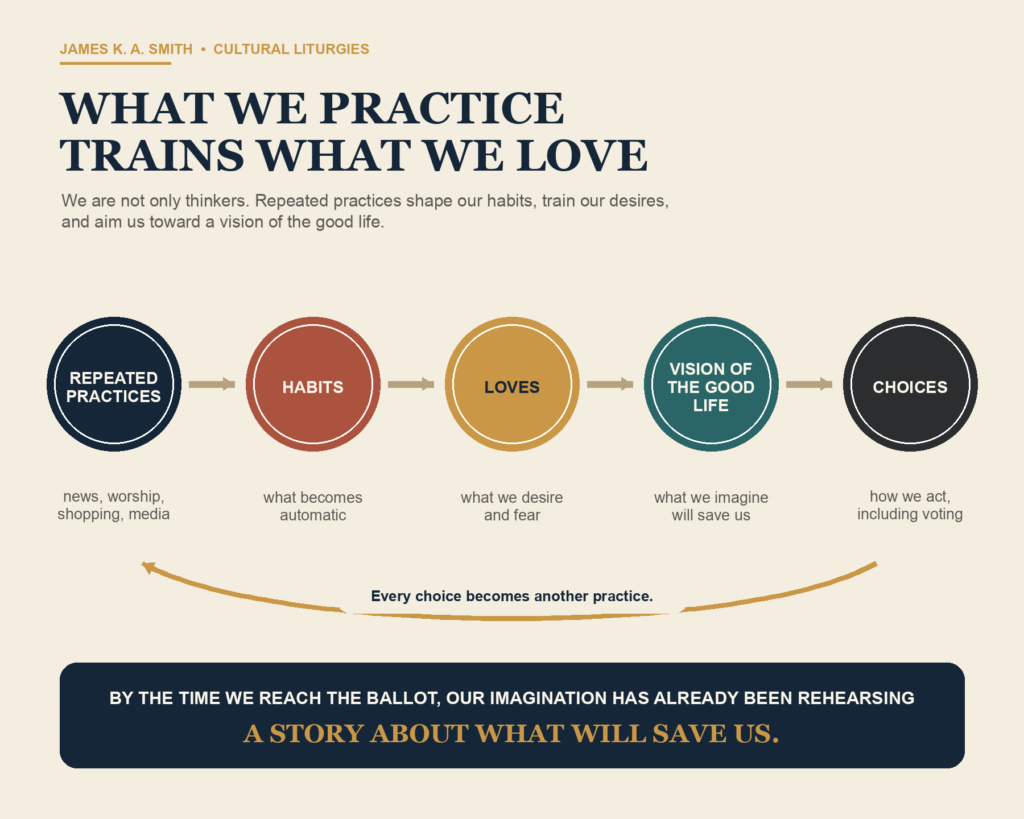
In the sermon, I made the radically boiled down statement, “in the mid-1970’s, Republican operatives knew they needed to expand their base, and they found that, in part, by highlighting moral issues, they could rally mainstream and evangelical Christians to their cause.” Here’s more on that history.
- The Evangelical Vote – a podcast episode from NPR
- Truce Podcast, Season 6 – currently at 57 episodes, this podcast by an evangelical explores the relationship between the Republican Party and Christianity
Trump’s Forgotten Americans
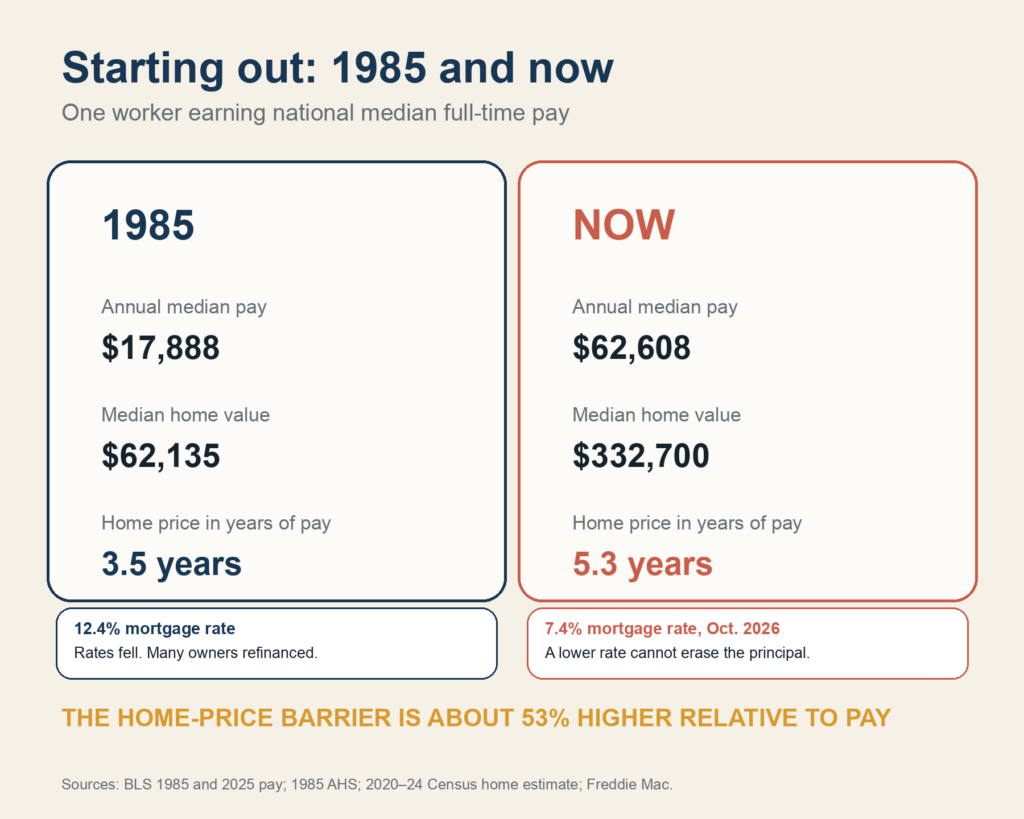
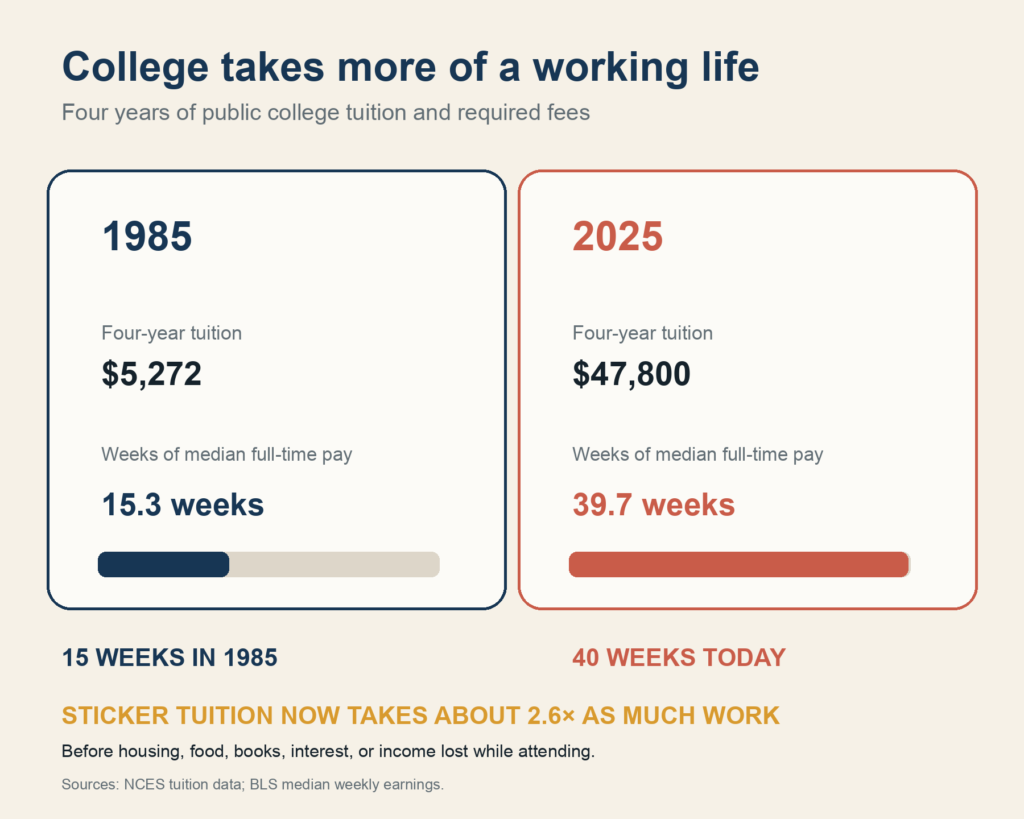
One way to understand the rise of Donald Trump is economic. He addressed legitimate pain points people experienced, especially in regions historically known for manufacturing and mining.
Leftist Economic Philosophies
Note: This is the longest section because it is, in my experience, the most misunderstood.
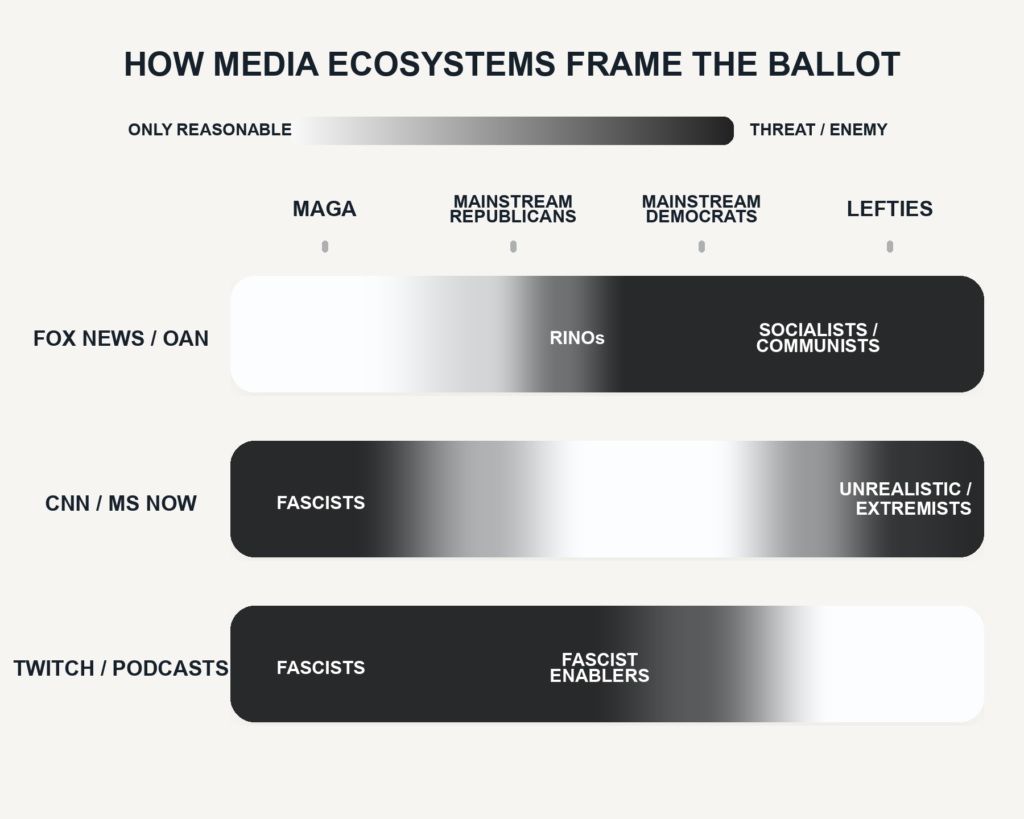
One of the points of the sermon is that we should actually learn what people believe before coming to conclusions about them. To that end, many people have been taught that left economic policy always means replacing markets with centralized government control. While that does describes some historical movements, it does not cover the full tradition.
Progressive antimonopoly advocates want to break up or constrain concentrated corporate power so that workers, farmers, small businesses, suppliers, and consumers have more meaningful choices. This is radically different from the fair trade of Robert Borq whose approach, which focused on the cost of consumer goods, dominated US policy since Reagan (with the exception of Biden).
- Lina Khan: “The Ideological Roots of America’s Market Power Problem”
- Goliath: The 100-Year War Between Monopoly Power and Democracy, by Matt Stoller
- American Economic Liberties Project: Monopoly resources
That said, while breaking a monopoly into several competing corporations may disperse market power, those corporations can still be governed from the top by shareholders and boards. So other left traditions focus on unions, worker cooperatives, social insurance, public services, or democratic control inside firms.
- Center for American Progress: Four things to know about sectoral bargaining
- Economic Update with Richard D. Wolff
- Democratizing the Workplace through Worker Self-Directed Enterprises
Where these approaches overlap
Progressive antimonopoly policy, workplace democracy, worker cooperatives, and labor organizing often share several convictions:
- Economic freedom requires more than the formal freedom to sign a contract.
- People need meaningful alternatives if a contract is going to be genuinely voluntary.
- Concentrated economic power can become political power.
- Workers should have a voice in decisions that shape their lives.
- Markets are created and maintained by laws, institutions, and public choices. They are not outside politics.
- Efficiency is not the only economic value. Freedom, dignity, stability, accountability, and democratic participation also matter.
Where they disagree
These traditions also have real disagreements.
- Progressive antimonopoly advocates often want capitalism with stronger competition, smaller concentrations of private power, and more aggressive public enforcement.
- Social democrats generally accept markets and private businesses while supporting strong unions, social insurance, public services, regulation, and progressive taxation.
- Democratic socialists and Marxian economists argue that competitive markets alone do not resolve the unequal power built into conventional ownership and workplace governance.
- Worker-cooperative advocates focus on building democratic ownership directly, sometimes as a reform within a mixed economy and sometimes as part of a transition beyond capitalism.
- Labor organizers focus on workers acting collectively, whether or not workers own the firm.
It is more accurate to describe these as overlapping conversations about economic power than as one unified “left economic plan.”
Money in Politics
One move I suggest when reviewing your ballot is to follow the money. When wealthy people and corporations donate, they typically expect results.
- Masterplan, Season 1 – a podcast on the history of money in politics (you’ll have to scroll down past season 2 on the Unitary Executive Theory)
- Open Secrets – a one stop shop for money in politics
Visuals from the Sermon