Life changed. You don’t need to lose yourself too.
What if there’s a way through? Not one that erases the pain, but one that lets something new take shape?
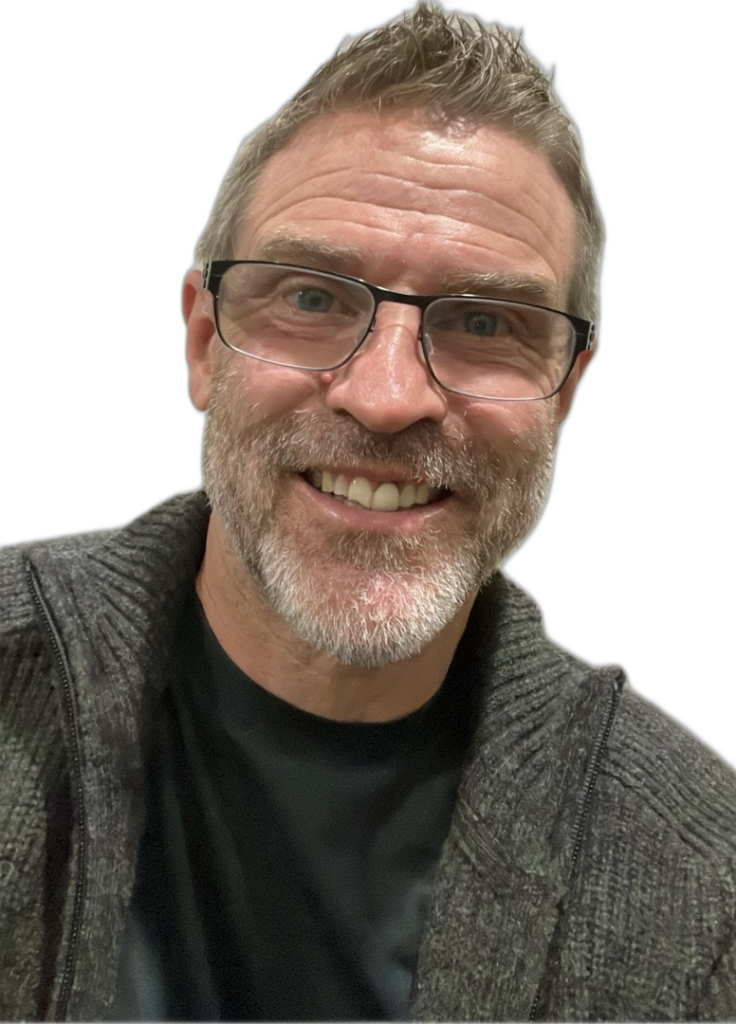
Hi, I’m Joe.
I’m a life after loss coach and funeral officiant who helps people stay human when life changes.
While I hold a Master of Divinity and a Doctorate in Spiritual Formation, my formal training took shape through life experience.
Be it deconstructing and reconstructing my faith, which changed both the way I saw the world and how I perceived a community that once felt like home. Or walking with my dad through a 15-month cancer journey that ended with his death in 2025. It was a season where I had to process our relationship both past and present. It also happened when my position was eliminated at a job I loved and I had to professionally reinvent myself at 50.
Loss showed up in all of those spaces. So grief isn’t only about death. It’s about everything we lose along the way. Sadly, our society doesn’t teach us how to grieve. Instead, it teaches us to be busy, distracted, or numb.
I create spaces where people can honor grief. Through breathwork, ritual, and practices rooted in the body, I help people sit with both the pain and what wants to emerge from it. I don’t believe in ‘getting over’ grief. I believe in learning to carry it differently, with more breath and less shame.
Get Occasional Updates From Me
When you do, I’ll send you a free PDF that explores why grief is so hard, and why it’s not your fault that it is.
🕊️ Funeral Officiant
Your loved one was unique, and they should be remembered that way. I craft ceremonies that tell the truth and honors the love: spiritual but not performative, meaningful without pretense.
📖 Life After Loss Course
Loss comes in many forms, not just death. The loss that comes with a death can take many forms. This course enables you name your grief and start using it as fuel for growth.
🫁 Life After Loss Coaching
Let’s create a steady and safe container for reimagining grief and processing loss. We’ll use powerful questions, breathwork, somatic practices, and space to rebuild without rushing.
This work is for you if …
- You’re grieving a death, the end of a relationship or job, or a version of yourself that’s gone.
- You want support that’s spiritual but not performative.
- You’re tired of being told to “move on” or “stay positive.”
- You need someone who won’t rush you or try to fix you.
You don’t have to figure this out alone.